BrainScreen

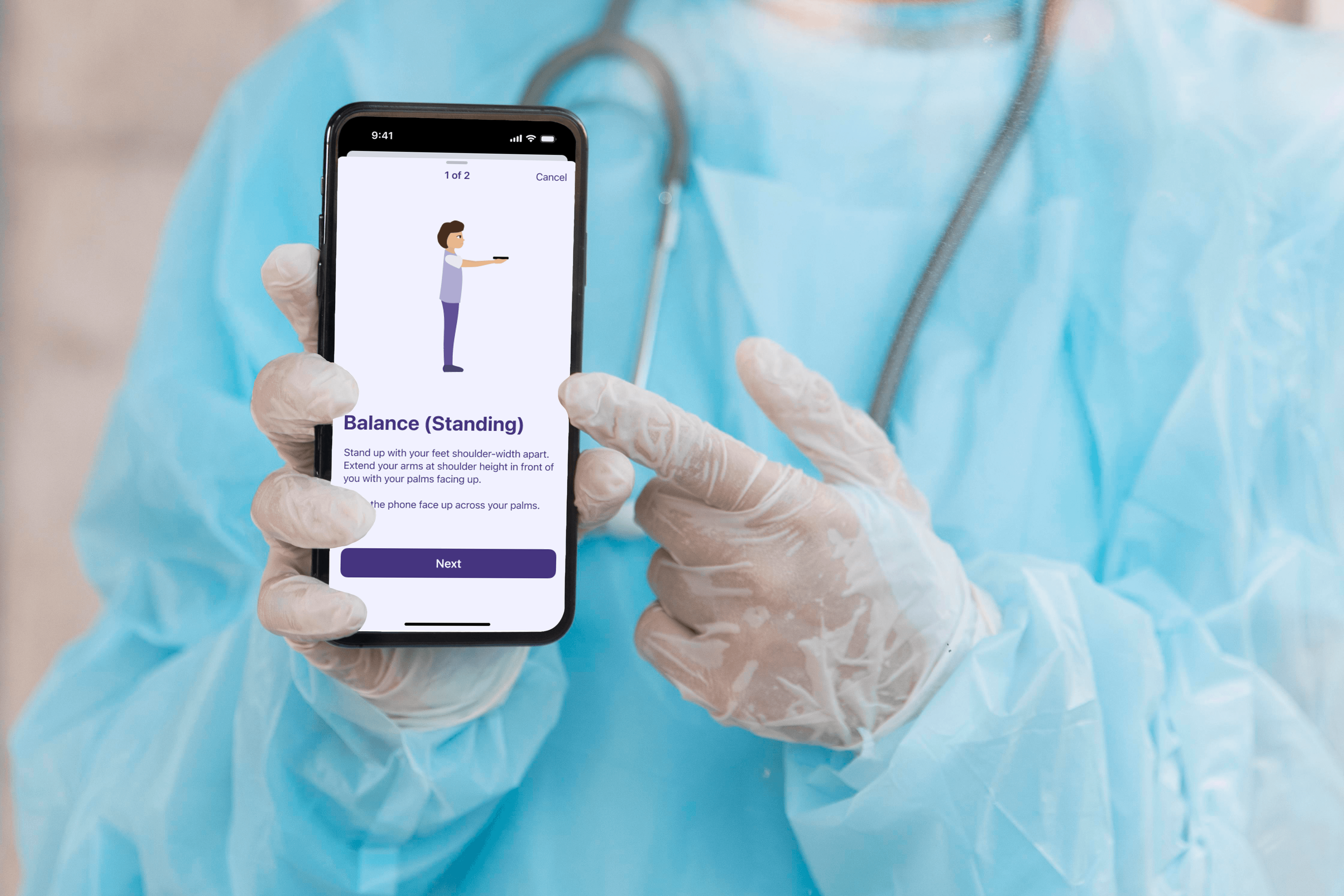
Helping healthcare workers detect traumatic brain injuries through innovative technology.

Helping healthcare workers detect traumatic brain injuries through innovative technology.

What this case study showcases:

UI/UX, Accessibility, Motion Design, Illustration

Project Timeline:

51 hours from 4/23/25 to 6/17/25

Tools:

Figma, Notion, Linear, Roam, Harvest, Slack

58 million people in the United States alone live with brain injuries.

BrainScreen is an innovative solution to improve early detection.
58 million people in the United States alone live with brain injuries.

BrainScreen is an innovative solution to improve early detection.
58 million people in the United States alone live with brain injuries.

BrainScreen is an innovative solution to improve early detection.
58 million people in the United States alone live with brain injuries.

BrainScreen is an innovative solution to improve early detection.
CONTEXT

Lickability is an acclaimed app development studio behind apps used by millions and trusted by clients like The Atlantic and Mastodon. They hired me as a contract UI/UX Designer for their client Safe Living Space (SLS).

SLS is a non-profit led by a trauma neurosurgeon with the mission to improve the health and lives of those living with brain injuries. Over the course of 8 weeks, I worked ~4 to 10 hours a week with a project manger, two engineers and team lead. We met weekly with the SLS team to give updates and gather feedback.

Lickability is an acclaimed app development studio behind apps used by millions and trusted by clients like The Atlantic and Mastodon. They hired me as a contractor UI/UX Designer for their client Safe Living Space (SLS).

SLS is a non-profit led by a trauma neurosurgeon with the mission to improve the health and lives of those living with brain injuries. Over the course of 8 weeks, I worked 5 to 10 hours a week with a project manger, two engineers and team lead. We met weekly with the SLS team to give updates and gather feedback.

PROJECT GOALS
  • Design an accessible tool to help providers detect and better understand traumatic brain injuries (TBIs).

  • Digitize four clinical assessments identified by Safe Living Space, including:

    • Three physical tests (balance, dizziness, and double vision)

    • One screening survey focused on life experiences and symptoms associated with increased TBI risk

  • Collaborate with experts to ensure the medical accuracy, usability, and intent behind each test was preserved and translated into a user-friendly digital format.

DESIGN PRIORITIES

Through conversations with SLS's medical experts, I identified several key priorities when designing the app's experience:

  • Cognitive accessibility: Ensuring the language, UI, and flows are usable by individuals who may be experiencing TBI symptoms.

  • Inclusive visual design: Avoiding demographic-specific styling to ensure the app feels appropriate for all users (e.g., veterans, athletes, domestic violence survivors).

  • Designing for innovative technology: Supporting complex motion-based assessments (balance, head-shaking and eye-tracking) while remaining simple enough for users with TBIs to navigate.

  • Clear guidance: Using animations and visual cues to help users complete physical tasks without overwhelming instructions.

  • Flexible structure: Designing for varied test types and survey formats within a cohesive flow.

DESIGN PRIORITIES

Through conversations with SLS's medical experts, I identified several key priorities when designing the app experience:

  • Cognitive accessibility: Ensuring the language, UI, and flows are usable by individuals who may be experiencing TBI symptoms.

  • Inclusive visual design: Avoiding demographic-specific styling to ensure the app feels appropriate for all users (e.g., veterans, athletes, domestic violence survivors).

  • Designing for innovative technology: Supporting complex motion-based assessments (balance, head-shaking and eye-tracking) while remaining simple enough for users with TBIs to navigate.

  • Clear guidance: Using animations and visual cues to help users complete physical tasks without overwhelming instructions.

  • Flexible structure: Designing for varied test types and survey formats within a cohesive flow.

Key challenges included:

  • Cognitive accessibility: Ensuring the language, UI, and flows are usable by people who may be experiencing symptoms of TBIs.

  • Inclusive visual design: Avoiding demographic-specific styling to ensure the app feels appropriate for all users (e.g., military veterans, athletes, domestic violence survivors).

  • Design for innovative technology: Supporting complex motion-based assessments (balance, head-shaking and eye-tracking) while remaining simple enough for users with TBIs to navigate.

  • Clear guidance: Using animations and visual cues to help users complete physical tasks without overwhelming instructions.

  • Flexible structure: Designing for varied test types and survey formats within a cohesive, clinician-friendly flow.

  • Fast paced timeline: Balancing quality and speed by designing efficiently within a nonprofit’s limited budget and tight schedule to minimize engineering lift.

To ensure clear guidance and inclusive visual design for all three physical tests, I created animated illustrations to help patients visualize the actions. I made the illustrations gender-neutral and simple to ensure accessibility and relatability.

We designed the Survey flow to help providers gather essential context around patients experiences that may indicate risk of a TBI. I drew inspiration from UI patterns in Apple’s ResearchKit to ensure the interface felt familiar and intuitive for users, while also streamlining development by enabling engineers to reuse existing code.

BRAINSCREEN IS COMING TO THE APP STORE SOON!

Want to know more about this project? Feel free to reach out!

You can find me on LinkedIn or at mardenj@mac.com.

You can find me on LinkedIn or at mardenj@mac.com.

You can find me on LinkedIn or at mardenj@mac.com.

You can find me on LinkedIn or at mardenj@mac.com.

BrainScreen

Helping healthcare workers detect traumatic brain injuries through innovative technology.

BrainScreen

Helping healthcare workers detect traumatic brain injuries through innovative technology.